Showing posts with label Healthy. Show all posts

Tuesday, August 9, 2016

Meal Prep 101 for Busy Athletes

Be The First To Comment

One of the biggest roadblocks athletes report in their journey towards healthier eating is simply not having enough time in the day to cook or prepare meals and snacks.

Many busy athletes and their families have tight schedules, where they might be eating meals at strange hours, on the road and in the bleachers, and sometimes get so busy that they resort to stopping for fast food or relying on convenience bars and shakes for too many meals.

Fast food and convenience snacks are fine once in a while, but what if we all had a strategy for making sure we had healthy snacks and meals prepared ahead of time? What if we could throw together said snacks and meals during the week in a matter of MINUTES? I'm sure all busy families and athletes would be on board.

This is where a food preparation (or meal prep) plan comes in! 

By spending some time ONE day of the week washing, cutting, baking, cooking, and portioning food into containers, athletes and their families will not have healthy food to eat during the busiest timesof the week - they'll also save time by not having to cook so much, and save money by not eating out or buying pre-packaged snacks.

There are many of resources online for "How to Food Prep" - Lindsay from the Lean Green Bean blog writes about food prep every week and is a great source for easy-to-make, healthy recipes.

Having a plan is the hardest part of meal prep. The first time you meal prep, it's important to start out small and let your meal prep game plan change each week in a way that fits your schedule. 

1. Decide which day works best for you! Many people choose to make all their food on one day (like Sunday, before the week starts!), while others might choose two days (maybe by preparing half on Sunday, and a new batch of foods on Wednesday).

It usually takes at least one hour (usually more if you do it all on one day), to prepare your meals, so keep that in mind. 

2. Make sure you have plenty of storage containers. Storage containers with lids are essential for easy storage and transportation of meals.

3. Choose which meals you want to prep. Some people just want to prepare lunches for the week to bring to school or work, while others make breakfast, lunch, dinner, snacks and a random assortment of throw-together foods. One easy way to start preparing EXTRA food at dinner meals to bring for lunch the next day or the next several days. Many people also start out by preparing some "basics" that you can make throw-together meals throughout the week. Some good examples include:
  • Washed and cut fruits and vegetables - You're much more likely to eat these healthy foods if they're all washed and ready-to-eat. Some suggestions are: grapes, salad greens, carrots, diced vegetables for salads/omelets/stir fry.
  • Roasted vegetables - These can be easily thrown onto a salad or sandwich for more flavor! Toss some sweet potatoes, butternut squash, carrots, broccoli, or any other vegetables in olive oil, salt, pepper and any other seasonings you like and roast them in the oven until tender. 
  • Cooked grains - You can prepare whole grains, such as rice and quinoa ahead of time to throw into salads or for easy grain bowls.
Check out some easy whole grain bowl recipes!
  • Protein options - Having some protein options ready can be a huge life-saver for athletes. Keep it simple by making chicken breast, hard-boiled eggs or scrambled egg muffins, lean ground beef, bacon, or have some lunch meat on hand. 

  • Breakfast foods - If you're typically a breakfast-skipper, preparing some easy breakfast options can be a huge time saver.
4. Make a list and go shopping - This may be the most dreaded part of meal prep for people who don't go into the grocery store weekly (or more than once per week!), but this part becomes easier each week as you figure out what works for your schedule, and which basics you KNOW you need to get you through the week.

Make a list of ingredients you would need for specific recipes you want to make, and a list of "basics" you want to have at hand (grains, vegetables, fruits, nuts, dairy, etc.)

If you're a beginner, don't be overwhelmed! It will get easier, and you can take satisfaction in knowing you will have healthy options to eat throughout the week. Good nutrition can have an immediate impact on sports performance - if you eat well and fuel your body with healthy foods, you will feel better and perform better, so start today!
Tuesday, July 12, 2016

3 Summer Nutrition Goals for Offseason Athletes

Be The First To Comment

During the summer, athletes can go from having a hectic, crazy-busy schedule, to having more time off and less hours spent training. Summer is a great time to relax and recover from a hard year of training, but it is also a great time for athletes to pay closer attention to their diets, getting into a routine of healthy eating that will stick with them throughout the rest of the year.

1. Enjoy different foods by eating seasonally

Summertime fruits and vegetables are readily available at your local farmer's market, and they taste even better when they're in season.


Shopping at the farmer's market is also a great way to branch out and try a new vegetable this summer - pick out a new vegetable, find a recipe utilizing that recipe and make it! The offseason is the best time to do this, because you have more time to branch out and try new foods and recipes.

Athletes tend to fall into habits, eating the same foods during the season day in and day out, so it's important to add some variety to your diet while you can, trying out some new recipes you can fall back on when you're busier during the season.

2. Get in a habit of "food prepping"


One of the biggest complains busy athletes have is that they just don't have enough time to eat healthy throughout the week. Doing some "food prep" one or two days a week is one of the best ways to always have healthy meal and snack options on hand. Take one day to gather ingredients at the grocery store and a few hours to wash and cut vegetables, make grains, cook proteins, and bake will leave you with plenty of healthy options to make meals throughout the week.

Check out this beginner's food prep guide by Lindsay at The Lean Green Bean.

3. Set an off-season body composition goal: maintain, lose, or gain weight without sacrificing performance.

Summer is the off-season for many athletes, so many use this time as a vacation from their training and their  normal healthy diets, leaving them feeling a little sluggish and/or heavy once training starts up again.

The off-season should be a time for rest and recovery, but it's also a good time to make body composition goals without sacrificing training. Even those who just want to maintain weight shouldn't use the summer as an excuse to eat whatever they want, as a decrease in activity and an increase in food can result in unwanted weight gain.

Follow these offseason fueling tips for maintaining weight or making body composition changes, such as adding lean mass or losing weight, during the summer:

Maintaining weight

  • Less activity in the summer means you don't need as many calories or carbohydrates during this summer to reduce weight gain:
    • Reduce carbohydrates on off days, and eat a higher carbohydrate diet on high intensity days. 
    • Decrease portion sizes, especially from desserts, fast foods, creamy sauces and salad dressings
    • Hydrate with water instead of juice or sports drinks

Weight Gain

  • Gaining 0.5 to 1 pound per week is a realistic goal.
  • You add lean mass by increasing calories and providing an adequate training load, meaning you should have a plan to strength train throughout the summer.
  • Eat often throughout the day (every 2-3 hours)
  • Add calorie-dense foods, such as nuts, trail mix, peanut butter, granola, olive oil, avocado, full fat dairy and include beverages with calories, such as milk during meals to add calories to your day.

Weight loss

  • Losing 1-2 pounds per week is a realistic goal.
  • Including protein-rich foods (20-30 grams per meal through lean meat, eggs, Greek yogurt, cottage cheese, beans) is a good way to stay satisfied throughout the day and maintain lean muscle mass
  • Avoid refined carbohydrates and sugary drinks like sports drinks, soda and juice
  • Don't skip meals to cut calories - instead, front load your diet by eating a substantial breakfast, lunch and snacks during the day when you're most active vs. limiting calories during the day. You may get over-hungry by the end of the day and end up eating more at night than if you stayed satisfied by fueling yourself throughout the day. 

Meeting with a dietitian can help you meet your body composition goals, make a plan for during the season, brainstorm food prep ideas, and perform better during the season. 

Make an appointment to speak with a Sports Dietitian today by calling the Sanford Sports Science Institute Dietitian at 605-312-7878

Wednesday, June 29, 2016

Staying Hydrated This Summer in 5 Easy Steps

Be The First To Comment

Summer time is a great time to be active outside while it's sunny and warm...but it's important to stay hydrated!

It's time to move activities outdoors. No matter what the activity is, if athletes are spending time outside being active this summer, they're probably going to get a lot sweatier, making it important that they pay close attention to hydration.

When our bodies get dehydrated, we lose the ability to regulate body temperature, making us susceptible to heat illness. Dehydration also has a negative impact on exercise performance, so starting a workout, practice or game in a dehydrated state means athletes aren't getting the most out of that session and are at a greater risk for heat illness.

If athletes are going to be active/exercising outside, they can follow the steps below to stay hydrated all day long and avoid performance deficits this summer.

5 Easy Steps to Stay Hydrated

1. Find out how much water you should be drinking in a day when you're not active. 

One basic equation for finding out how much fluid you should be drinking in a day is to divide your body weight in pounds by 2, and drink that much fluid in ounces per day. 

For example, a 150 lb. athlete would need 150/2 = 75 ounces of water per day, or 9.5 cups (8-ounce cups) per day. 

Fluids includes drinks other than water (including milk, juice, broth, etc.), but athletes should really be focusing on drinking at LEAST the recommended amount of fluid in pure water per day if they're not active, plus EXTRA for exercise. 

2. Monitor your hydration status.

At the Sanford Sports Science Institute, we encourage athletes to monitor the color of their urine to check on their hydration status. Lighter urine usually means an athlete is properly hydrated, so before going into a practice or game, athletes should make sure they are properly hydrated, especially if they're going to be outside on a hot day. 

3. Add extra fluid for the sweat lost during exercise. 

Athletes who follow the above recommendations will likely get enough water during the day on an inactive day, and go into their workout or competition adequately hydrated, but this doesn't mean they don't have to replace the fluid lost in sweat during their workout. When we sweat, we lose water and electrolytes, making it important to drink plenty of fluids before, during and after exercise. 

One tip athletes can follow is to bring their water bottle to every workout and competition and take several large drinks of water at every break they get, or every 10-15 minutes. 

Athletes can also monitor how much weight they lose during a workout or competition by weighing themselves before and after - any more than 2% weight loss indicated inadequate fluid consumption.

After the workout, replace the water lost in sweat by drinking 16-20 ounces of water for every 1 lb. of weight lost. By neglecting to replace the fluid lost during exercise, athletes may go into their next session in a dehydrated state. 

3. Start drinking plenty of water early in the day. 

A great tip for athletes to follow is to drink water right when they wake up, especially if they have a workout later in the day. 

Some recommendations say to drink 2-5 cups of water, several hours before a workout or competition, especially if it is going to be outdoors in the heat.

For many busy athletes, starting the day off with several glasses of water becomes a healthy habit to promote hydration and start the day off on the right food. 

4. Make note of the signs of dehydration and take action early. 

Thirst isn't always the best indicator of when athletes should drink water - sometimes you don't get thirsty until you're dehydrated. Other signs of dehydration include headache, dry skin, dry/sticky mouth, constipation and feeling tired or less energetic than usual. 

If you're experiencing any of those symptoms, drink up! Carry your water bottle with you and refill it several times a day, especially on days where you'll be spending time outdoors in the heat. Some very intense or prolonged (>90 minute) workouts in the heat may require a sports drink or some sort of electrolyte replacement beverage. 

5. Load up on fruits and vegetables!

Summer is the perfect time to load up on fresh fruits and vegetables, which are not only rich in nutrients, but also have a high water content. The foods you eat during the way will contribute to your hydration status, but during the summer, seasonal fruits like watermelon, strawberries, pineapple, zucchini, etc. have a high water content, making them extra hydrating. 

Knowing how much you need to drink throughout the day, monitoring your hydration status, drinking plenty of water early in the day, knowing the signs of dehydration and loading up on water-rich fruits and vegetables are 5 easy steps you can take to stay hydrated, feel good and perform well all summer long!

Sweat testing at the Sanford Sports Science Institute
Find out more by calling 605-312-7878!
Athletes of all ages and from every sport who have access to the Sanford Fieldhouse can get their sweat fluid and electrolyte loss evaluated to receive individual-specific hydration and nutrition recommendations. These recommendations help athletes prepare for, manage, and recover from sweat fluid and electrolyte losses incurred during training or competition. Call today at 605-312-7878 to find out more on how this test would benefit you or your athlete. 


Wednesday, June 1, 2016

The Nutrition Facts Label Got a Makeover: Check Out What's New!

Be The First To Comment

Have you every looked at the Nutrition Facts Label on a product and scratched your head over what it listed as a serving?

For example, who listed a serving of ice cream as ONLY half a cup? Why are there more than one servings listed in a seemingly "snack sized" bag of chips, soda, or granola bar, when a person would likely open the package and eat it all at once?

Those numbers are about to change, as the FDA just finalized the new Nutrition Facts Label, giving a makeover to the 20-year-old Nutrition Facts Label design.


The Sanford Sports Nutrition Blog previously wrote about the proposed new food label when it was developed in 2014, but now the label is finalized, and most food manufacturers will have until July 2018 to switch over to the new label.

Updates to the New Label

  • The calorie count is bigger, and the serving size will be in bold.
  • The serving size is changing reflects a serving that Americans are actually eating (Again, have you actually ever measured out 1/2 a cup of ice cream? Or drank only 1/2 of a bottle of a beverage that says it contains 2 servings?)
  • Added sugars will be added to the label, which shows how much sugar is added to the food during processing (versus sugar found naturally in fruit and dairy products).
  • "Calories from Fat" will be eliminated, as more people need to be focusing on the types of fats they're consuming, not just the amount. (Focus more on healthy fats, avoiding trans fats). 
  • Different daily value percentages for sodium, fiber, and vitamin D to reflect the 2015-2020 Dietary Guidelines amounts. 
  • Actual amounts of vitamins (versus the old label that only listed percentages) and changes to WHICH vitamins are listed. Vitamin D and Potassium are now listed (instead of Vitamin C and Vitamin A) because the majority of people aren't getting enough of those key nutrients. 
U.S. Food and Drug Administration
In addition, foods that contain between 1-2 servings, or could be eaten up in one sitting (such as a whole bag of microwave popcorn or a pint of ice cream...) will have a dual column label to show the nutrition for one serving and for the whole package.

Old label (Left) vs. New Label (Right)
The Food and Drug Administration

The Nutrition Facts Label is important for active people and athletes, and this "Athlete's Guide to the Nutrition Facts Label" goes through what you should be looking for on the label. The new design should make healthy eating a little easier by being able to choose between comparable products with different nutrition.

Note: As a dietitian who works with athletes, I am excited to see the "Added Sugars" on the label. Many athletes need a diet rich in carbohydrates, but sometimes they're relying on that quick energy from sports bars and drinks to fuel their training and performance, and get stuck in the habit of eating those high-sugar foods all the time, when they should be eating more vegetables, fruits and whole grains and lean protein to fuel themselves outside of training. The Dietary Guidelines for Americans 2015-2020 have emphasized how much sugar Americans are eating, including sugar in seemingly "healthy" foods like whole grain cereals or yogurts. This added part of the new label makes it easier to compare packaged products and choose more nutritious options!


What do you think of the new label?

Thursday, May 26, 2016

Beetroot Juice: Can it Help You Perform Better?

Be The First To Comment

It seems as though the newest trend in the exercise community is drinking beetroot juice as a supplement to improve exercise tolerance.

What are the benefits of drinking beetroot juice before competition?

Beetoot juice (and beets in general) are rich in nitrates, which are commonly found in many vegetables, fruits and grains. Nitrates can also be found in cured meats like salami, bacon, and hotdogs, as nitrate is added to preserve color and prevent growth of bacteria, but the danger in these cured meat nitrate sources are that the nitrate is more likely to be turned into nitrite and then nitrosamines, which are cancer-causing chemicals. (This is probably where you heard that nitrated are harmful!) The reason nitrate-rich fruits and vegetables are a better option is because most of them are also rich in Vitamin C, which is an inhibitor to the nitrosamine conversion.

Endurance athletes like runners, swimmers, divers, rowers, triathletes and cyclists are finding that drinking beetroot juice supplements as a form of nitrates may be able to give them a competitive edge. When we drink beetroot juice or take nitrate supplements, the nitrate is converted into nitrite and ultimately nitric oxide (NO) in the blood.


Nitric oxide plays an important role in blood flow regulation, mitochondrial efficiency, and other physiological functions, so beetroot supplementation can have positive effects on exercise performance through:
  • Decreasing blood pressure
  • Reducing workload of the heart
  • Increasing oxygen delivery throughout the body (muscle oxygenation)
  • Increasing power output
  • Improving time to exhaustion and time trial performances
With this decrease in aerobic energy cost, athletes should be able to physically exert themselves longer before fatigue sets in, which is good news for athletes who want to gain a competitive edge in a safe way.

How to increase blood nitrate levels


Fruits and Vegetables that are High in Nitrate:


  • Vegetables are much higher in nitrates than fruits, and include lettuce, beets, carrots, green beans, spinach, parsley, cabbage, radishes, celery, collard greens 
  • Some fruits that contain higher levels of nitrates includes strawberries, currents, gooseberries, raspberries, cherries
Beetroot juice may be a better option for athletes to drink before performance rather than eating hundreds of grams of nitrate-rich vegetables (huge spinach, carrot, beet smoothie, anyone?), mostly because the juice doesn’t have all that dietary fiber that the whole vegetables do, so it decreases the chances of GI distress and feeling overfull before  a competition.

~300 mg of nitrates

When compared to other nitrate-containing foods, though, drinking beetroot juice seems like the way to go!


In order to maximize on the beetroot juice’s effects, it is recommended that 5-7 mmol of nitrates (500 mL or ~2 cups of beetroot juice) be consumed 3-4 hours before exercise to allow plasma nitrite to be at its peak during exercise performance. They also make 70 mL beetroot shots, which are condensed down to contain the same amount of nitrates as a larger portion of beetroot juice.

This high nitrate state lasts for the next 6-8 hours and blood levels return back to normal after about 24 hours. Many studies have shown that even short-term supplementation (around 5-6 days of drinking the juice) will give the results that athletes are looking for!

Written by: Ashley Beaner, SDSU Dietetics Student

Have you tasted beetroot juice? 

Tuesday, May 3, 2016

Training Talk: What Female Athletes Need to Know About Fueling Their Bodies

Be The First To Comment


At the 10th Annual Sanford Sports Medicine Symposium last weekend, I spoke about nutrition's role in injury prevention and recovery. One of the main topics of the presentation was low energy availability in athletes. Energy availability is the amount of calories left over for the body to use for normal physiological functions (heart beating, walking around, lungs breathing, thermoregulation, growth, etc.) after accounting for calories burned during training or exercise.

Food intake - Energy Expended During Exercise = Energy Availability


Athletes who have heavy training schedules can be living in a chronic state of low energy availability, where every calorie they eat at meals is burned off during exercise, leaving little to no calories for the body to perform those regular bodily functions.

When calorie intake doesn't match energy expenditure, this low energy availability can not only have negative effects on training and athletic performance, but can put athletes at risk for other health problems.

For female athletes, this low energy availability can lead to other health issues, such as low bone mineral density and menstrual function disorders in what is called the Female Athlete Triad. Physically active girls and women can experience any one of the 3 components, which are interrelated and occur along a spectrum of healthy to unhealthy (see picture below).

Source: 2014 Female Athlete Triad Coalition Consensus Statement on Treatment and Return to Play of the Female Athlete Triad.
De Souza MJ, et al. Br J Sports Med 2014;48:289
Female athletes won't always know the signs of female athlete triad because they won't necessarily lose weight if they have low energy availability (many athletes have a stable weight despite not meeting their calorie needs)...but they might notice if  they're training hard and lose their menstrual period. An estimated 20% of active women has missed 3 or more consecutive menstrual periods, called amenorrhea. This can lead to a loss of calcium from bones, a much higher incidence of stress fractures and poor bone health...but some athletes might believe that losing their period is just a normal part of hard training.

Regardless of body fat and weight, athletes' low energy availabliy can trigger amenorrhea, and appropriate treatment depends on why the athlete is under-fueling.

  • Unintentional fueling due to low appetite from heavy training, or they may have a hard time fitting in meals and snacks around a heavy training schedule. 
  • Some athletes are caught up in the diet culture of their sport (or society in general), trying to lose weight, with the goal of being better at their sport. They may take this too far and develop disordered eating habits, restricting intake of foods such as carbohydrates or animal protein, which can cause under-fueling and nutrient deficiencies. 
  • Some athletes' restrictive eating patterns and disordered eating can lead to eating disorders, which puts athletes at a greater risk for health problems, and requires a different approach to recovery. 

Treatment of female athlete triad requires correcting the energy imbalance - increasing calorie intake and resting from exercise. 

Female athletes are often surprised when they find out how many calories they need to be eating to fuel their bodies, and how few they are currently eating. Very active individuals usually need at least 3 meals and several snacks per day. To get a better idea of current intake, athletes can track their food using popular apps, such as MyFitnessPal or tools like the SuperTracker.

Although these tools give athletes an idea of what they're doing now, working with a registered dietitian can take the guess work out of meal planning and give them more guidance to how many calories they really need to support training, and which foods they should be focusing on to really optimize their workouts and recover properly.

The total calories aren't the only thing that matter - girls and women can be deficient in several key nutrients:

  • Vitamin D: spend more time outdoors, fortified breakfast cereal, milk, fatty fish like salmon, egg yolks or a vitamin
  • Calcium: dairy such as milk, cheese, yogurt
  • Iron: it's important to get screened for iron status, as many women, especially endurance athletes, tend to have low iron
  • Healthy fats: focus on eating plenty of nuts (including peanut/almond butter!), seeds (flax, hemp, chia), olive oil, avocados, salmon
  • Adequate protein: 20-25 grams per meal, 10-15 grams per snack in the form of lean protein (chicken, fish, lean beef), nuts, yogurt, milk, beans, peas and soy
  • Energy-enhancing carbohydrates: the amount of carbs an athlete needs depends on their weight and what kind of sport they're in, but because carbs are our muscles' main fuel source, eating plenty of fruit, vegetables, whole grains, and potatoes is necessary to perform well and recover adequately. 

When speaking with female athletes, it's important to emphasize that food is fuel!

It's a good thing to eat when you're hungry and to enjoy food.  Eating more food doesn't necessarily equate to weight gain, and many times, it can actually lead to improved sport performance. If an athlete or parent of an athlete suspects they are having any of the issues discussed, they should talk to their doctor. There are other causes for amenorrhea, so it's important to consult with your doctor to rule out other causes! A Registered Dietitian can help athletes fuel their bodies properly to avoid issues related to female athlete triad and under-fueling for their sport.


NPR || To Thrive, Female Athletes Need a Lot More Food

The Informed Appetite || Drink Milk, or Don't. But Maybe Read This First (#Science!)

New York Times || After 'The Biggest Loser,' Their Bodies Fought to Regain Weight

Yeah...Imma Eat That || The Hunger and Fullness Scale (AKA How to Stop Dieting)


Tuesday, March 1, 2016

Why National Nutrition Month is Worth Celebrating

Be The First To Comment

March is National Nutrition Month!

Right when our healthy New Year's habit's begin to fade, National Nutrition Month® rolls around in March to remind you of those healthy eating habits.

The theme for the 2016 National Nutrition Month® is "Savor the Flavor of Eating Right," which is all about bringing back the enjoyment factor of mealtimes. It's important to remember that food isn't just food/energy/fuel - there's so many reasons why you eat the foods you eat, when you eat them, and how those foods make you feel. In a diet-filled world, it's so easy to forget that mealtime doesn't have to be about eating certain foods because you have to and that healthy eating can actually be enjoyable.

This month's blog posts are going to focus on this year's National Nutrition Month theme, celebrating all the ways healthy eating can be enjoyable and fun. Here are some easy ways develop healthy eating habits during National Nutrition Month®, and to "Savor the Flavor of Eating Right."

Be more mindful during meals

This tip goes back to the "mindful eating" strategies outlined in last week's blog, How To Adopt These Healthy Habits From People Who Maintain a Healthy Weight (Without Dieting).

Take a look at your meal times and see how many times you're eating with the TV on, while you're on your phone, texting, on the computer, reading a book or magazine...the list goes on for the number of ways we are distracted while eating.

One research study showed that people who were distracted  with playing a computer game while they ate lunch ended up eating more, couldn't quite remember all the foods they had eaten and were less full than those who were not distracted during the meal.
  • Take a break from your computer, book, and/or phone, get up out of that desk and enjoy your lunch without distractions.
  • If you are eating on-the-go, make sure you have nutritious snacks available, such as fruits, vegetables, mixed nuts, string cheese, hummus, Greek yogurt, sandwiches, etc.

Enjoy the social aspect of mealtimes

Did you know that family meals are associated with healthy weights in children and adolescents and can help promote healthy eating choices? When kids are involved in family meals, they pick up healthy eating habits from mom and dad - eating healthy foods and sitting down to enjoy an undistracted meal becomes the norm.

In adults, the idea of family meal time can be shared with friends: A story recently came out about 5 New York lawyers who called themselves the "Lunch Bunch" - they make 5 portions of a healthy, homemade lunch once a week, and enjoy the others' meals the rest of the week.What a fun way to not only only have to prepare lunch just once a week, but also to try new recipes, taste new foods, and branch out from the typical brown-bag sandwich. 

Set some healthy eating goals this month

Healthy eating can be a challenge, but the good news is that good nutrition has INSTANT benefits. You don't need to go on a 30-day diet or push yourself to the max for 7 days in a row at the gym to feel good about what foods you put on your plate, which in turn will make you feel good. Nobody ever said, "Wow, I really regret making all those healthy choices!"

Tips to get started:

  • Try to eat at least one serving of fruit or vegetables at each meal and snack. Try adding a banana to your morning oatmeal or packing carrots in hummus as your afternoon snack.
  • Getting 25-30 grams of protein per meal can help you meet your protein needs and feel more satisfied with meals. Eat a variety of  protein sources, from beans, dairy, nuts, seeds, poultry, meat and fish. 
  • Make sure to incorporate healthy fats into  your meals and snacks. People often don't feel satisfied or "hungry an hour later" after drinking a smoothie - try adding peanut butter, hemp, chia or flax seeds, or an avocado to your smoothie to make it a more balanced meal.
  • Make more grains WHOLE grains. This means having brown rice, quinoa, oatmeal, whole grain bread, pasta and wraps at meals.

You might also like:

March 1st is National Peanut Butter Lover's Day! 

Real Mom Nutrition || 6 Amazing Recipes with Peanut Butter

Serious Eats || Rosa Parks' Featherlight Peanut Butter Pancakes Cool!

National Peanut Board || PB&J - The Mighty Mouthful for Athletes PB&J is my go-to snack and meal recommendation for busy athletes.

Nourish RD's || Veggie Stir Fry with Peanut Sauce Would be great with tofu or chicken for extra protein

Sharon Palmer || Eating a Plant Based Diet Doesn't Have to Break the Bank

 Follow Lizzie on Twitter to get the lastest nutrition news, research findings, and nutritious recipes!

Good nutrition is important for everyone, but athletes have increased nutrient needs due to their high activity levels, and each athlete is different in terms of what foods they should eat and when they should be eating to optimize physical performance.
 Stop into the Sanford Fieldhouse today or call 605-312-7878 to set up an appointment with the Sports Nutritionist!

Tuesday, February 2, 2016

4 Heart-Healthy Ingredients + Recipes for Game Day and Beyond

Be The First To Comment
February is American Heart Month and Friday, February 5th, 2016 is National Wear Red Day - a day to wear the color red to help raise awareness about heart disease being the number one killer of women. Close behind Wear Red Day is another February day many will get together to celebrate - Superbowl Sunday. In honor of American Heart Month and Wear Red Day, let's challenge each other to make our game day buffet a little healthier and try some new good-for-you foods and recipes.

When the American Heart Association reports that more than 1 in 3 people have some sort of cardiovascular disease and every 85 seconds, someone dies from heart disease, every day is a good day to focus on getting healthier, including a day notorious for filling us up with fried, greasy, salty foods. With those statistics, there is a good chance someone close to you is at risk for or has some sort of cardiovascular disease, so offering healthier options during the big game is good for everyone.

This post will take the guess work out of your game day menu so you have plenty of healthy snacks on hand to last through the end of the big game.

1. Avocados

Avocados are rich in monounsaturated fat (a good kind of fat!), fiber, antioxidants, B vitamins, vitamin K, folate, and many other nutrients. Eating more of those good monounsaturated fats can help you lower your LDL or "bad" cholesterol, which is one of cause of heart disease. Replacing saturated fats (found in animal fat like meat and dairy) with healthy fats found in avocado is a heart-healthy choice. Many people enjoy guacamole on game day, but avocado is versatile and can be used for so much more:


2. Nuts

Nuts are another "healthy fat" food, and while all nuts have different nutritional benefits, all nuts (especially walnuts) contain a healthy dose of those LDL-lowering, inflammation-reducing, unsaturated fats. They're also rich in omega-3 fatty acids that help prevent heart disease and stroke, improve blood vessel function and lower inflammation and triglyceride levels. Nuts make a great every-day snack, and can be spiced up for a great game-day snack:

Ellie Krieger  || Spiced Nuts


3. Whole grains

Whole grains contain the entire grain (bran, germ, and endosperm), which makes them more nutritious and full of fiber compared to refined/white flour or grains. Diets rich in fiber, such as a diet rich in whole grains, can help reduce the risk of diabetes, high blood pressure and other types of heart disease. The beta-glucan (a type of soluble fiber) found in whole grains can help lower cholesterol and improves heart health and all that fiber keep you fuller for longer, which is good for weight control. 

Whole grains foods don't have to be boring - you can find hundreds of recipes for tasty whole grain versions of your favorite foods in cook books and on the internet:

Cookie and Kate || Whole Grain Pizza Recipes

The Skinny Fork || Whole Wheat Lasagna Rollups


4. Beans

Beans are a staple food in many parts of the world for good reason - they're packed full of protein, fiber, B-vitamins and minerals. 

Chili is the ultimate comfort food, and makes a great tailgating or game-day meal. Unfortunately, some of the favorite white chili and creamy soup recipes are full of high-fat sour cream, cheese, and cream. A good substitute for cream in these soups is cooked, blended cauliflower. I know, it sounds weird, but even cauliflower-haters can't sense the presence of this nutrient-packed vegetable

Based off the recipe for White Turkey Chili from Whole Foods Market and this Creamy (No Cream!) Sweet Corn and Potato Chowder from Iowa Girl Eats, this Healthier Turkey Chili is a great option for game day because it's light, packed with protein and fiber, and can be topped with all your favorite chili toppings.

Ingredients

1/2 lb. dry Navy Beans
1/2 lb. dry Great Northern beans
or 1 lb. of whatever dry beans you like
2 cups water
1 Tbsp olive oil
1 lb. ground lean turkey
1 7-oz can green chilis
1/2 large onion, diced
1 green bell pepper, diced
1 red bell pepper, diced
2 cups frozen corn
1 tsp salt
1 tsp black pepper
1 tsp chili powder
2 tsp cumin
1 tsp oregano
1 large head of cauliflower, chopped into florets
1/3 cup milk (skim, 2%, whole, coconut)
4 cups broth (I used homemade turkey stock, but you could use vegetable broth to make the recipe vegetarian)
2-3 cloves of garlic, diced

Soak the dry beans overnight in water. The next day, rinse and drain the beans, and add them to the bottom of the crock pot. Add all spices (reserving 1 tsp of cumin for the turkey), chopped bell peppers, frozen corn, diced onion, and the can of green chilis (drained or undrained). Pour water into crock pot.

Cauliflower cream:

Bring broth to a boil, adding cauliflower florets to the pot and cooking until cauliflower is soft (you'll be able to spike easily with a fork). Remove from heat and allow to cool. Once cool enough to blend, pour broth and cooked cauliflower mixture, diced garlic, and milk into blender and blend until smooth. Alternatively, you can blend in the pot if you have an immersion blender. Add  this mixture to the crock pot.

Turkey: 

Finally, heat 1 Tbsp olive oil in a skillet over medium-high heat. Add raw turkey to the pan and stir frequently, cooking until browned. Add cooked turkey to the crock pot, give the ingredients a good stir, cover crock pot and turn on low for 6-8 hours until beans are cooked/soft.


Top chili with some of your favorite toppings: avocado, cilantro, onions, Greek yogurt/sour cream, a little cheese, and enjoy.

More healthy chili recipes from Epicurious ||  Healthy Chili Recipes for the Superbowl and Your Heart

What's your favorite healthy recipe for game day?


Tuesday, December 29, 2015

New Year's (Or Any Time) Resolutions You Can Actually Stick To

Be The First To Comment

Do you set a New Year's Resolution?

The 1st of the year is seen by many as a fresh start; a time to look forward and set a New Year's Resolution. New Year's resolutions aren't for everyone - in fact, only a small percentage of people set a new Year's Resolution, and an even smaller percentage will actually keep theirs. This time of year is often criticized or joked about for that very reason - New Year's Resolutions to lose weight, work out more, eat healthier, get stronger, walk more steps, run faster, get to the gym more, cook at home, pack your snacks, are really difficult to keep.

These resolutions are usually hard to keep because people tend to set too many goals at once and their goals are very broad! It can be really easy to go into the new year with several very broad goals in mind (usually worded something like "do this activity more" or "do this activity less") and because the wording isn't very specific, that handful of goals suddenly morphs into one big, non-specific goal, which eventually morphs into an even less specific form of whatever goals you wanted to meet, which eventually just dwindles away. Sound familiar?

As a Registered Dietitian, I think any time of year (not just the New Year!) is a good time to set a resolution, or a goal, and it's my job to help people meet their goals related to nutrition and health. We wrote about this here - instead of going into the New Year with a regular old resolution, make a SMART goal.


A SMART goal is a goal that is specific, measurable, attainable, realistic and time-bound.

Specific - This is the What, How and Why. One reason those goals to "lose weight," or "get healthier" don't work is because there are no specifics on how you're going to meet those goals. It can be really easy to drop your resolution "eat healthier" if you never wrote down the specifics of what that goal meant to you - did it mean you were going to eat salad for every single meal, or give up all sweets? You need to define all the specifics of your goal to achieve it.

Measurable - How will you know you've achieved your goal? How will you measure your success?  By being able to measure a goal, you will have tangible evidence that you're working towards your goal or meeting your goals. Instead of "going to the gym more" you would set a goal to "Go to the gym 3 nights per week."

Attainable - Your goal should challenge you, but shouldn't be too out of reach that you never attain it. You should be able to write down the steps to meet your goals. I like how Heidi Greenwood wrote in her recent post: "It may be helpful to view your health goals as if you were training for a marathon.  Not literally training for a marathon, but knowing that to reach your health goals is a process that requires planning, time, and external support." You wouldn't set a goal to train for a marathon and then never run more than 3 miles during your training - you would usually follow a very detailed, specific plan that has you meeting certain milestones before being able to run the full marathon. You should do the same with every one of your goals. 

Realistic - This is the one that gets a lot of people. Don't set yourself up for failure by setting a completely out-of-reach goal. Remember, you can always set a new goal after you've met your first goal. This is especially true for those goals that might reduce certain habits - a lot of people want to "give up sweets" or "eat better", so they deprive themselves of the foods they like in an attempt to meet their goals, which ends up in failure. Be realistic with yourself and be flexible with your goal. If you've never been able to give up sweets completely, maybe try reducing your sweets intake to a couple squares of dark chocolate per day that you will really savor. Another big goal people have is to "lose weight" and they usually have big goals in mind and not a lot of patience.

Sometimes it's better for people to focus on goals that are focused more on health and fitness (for instance, lifting heavier weights or packing your lunch), which will lead to weight loss, instead of being so hard on themselves for not losing 10 lbs. in a week. A realistic goal to set is to throw away the New Year's Diet - if diets worked, there wouldn't be so many of them.

Time-bound - This means you will have a time frame for meeting your long-term goal, but also for those shorter-term goals and steps along the way. Having a time-frame helps you determine what your steps along the way should be to meet your long term goal.

Once you've written your goal, write your actions to meeting the goal.

Examples:

Eat more meatless meals by making 2 new vegetarian recipes per week.
Action: Bookmark recipes online or in a vegetarian cookbook. Make a plan to shop once a week for ingredients for new recipes.

Walk 10,000 steps every day by March 1st, 2016.
Action: Increase steps by 200 steps per day each week starting January 1st until step count reaches 10,000 steps per day.

I will eat better to fuel my training this year by substituting my usual candy bar and chips snack with a healthier option.
Action: Write out which snacks I will have for the week and pack in my bag: apples and walnuts, cheese stick and grapes, homemade trail mix, peanut butter and jelly, hardboiled egg and a pear, Greek yogurt with berries and granola, etc.

Get stronger by going to the gym 3 times per week.
Action: Find gym and get membership. Make the most of your gym time by getting a personal training plan.

Note on training plans - Fitness isn't one-size-fits-all, and the team at Sanford POWER develops training programs to help you meet your personal fitness goals. From individual to large-group training, Sanford POWER training programs can help you reduce your risk of injury, improve overall health and fitness, and increase mobility, flexibility and strength.  Call today at 605-312-7800 to find out more on training options. 

There are many goals you can set for yourself, but make sure you set a SMART goal instead of a regular old resolution to ensure you'll be able to follow through with it during the whole year. Does a whole year seem daunting to you? Write down a short-term SMART goal for the month. My smart goal this month is to take time each Sunday to go grocery shopping and prepare food (rice, sweet potatoes, cut up vegetables, hummus/dressings, salad and protein) for the week. 

Share: What goals have you set for yourself that you didn't think you would achieve? How did you achieve it? Do you have any New Year's Goals?


Read More:

Sanford Sports Nutrition || Getting SMART About New Year's Resolutions

Food and Nutrition Magazine || 5 Tips for a Guilt-Free New Year's Eve Party

U.S. News Health || Forget About the Weight, Let's Eat For Better Health

EatRight || Toss Out Fad Diets and Quick Fixes; This New Year Resolve to Develop a Healthful Lifestyle

Heidi Greenwood || How to Approach Your Health Goals in 2016

Meeting with the Sports Dietitian can help you set your own health and nutrition-related goals!

Wednesday, December 2, 2015

How to Lose Weight Without Dieting

Be The First To Comment
Today, a health problem growing in both developing and developed countries is obesity, since it is the leading cause of heart disease and diabetes. This highlights the importance of maintaining ideal body mass index (BMI). But trying to do, many people end up making some abrupt changes in your eating habits.Some people are quick to starve to lose weight fast. But these methods are often harmful

Tuesday, December 1, 2015

How To Boost Your Immune System (All Year Long!)

Be The First To Comment

We've all had those days where you can just feel a cold coming on. Eyes watering, nose running, coughing, sneezing, and feeling headache, you head over to the nearest grocery store to pick up some orange juice, soup and medicine. If you're an athlete, you might even think, "I wonder if I can still go to practice...?" or "I'll just wait for this cold medicine to kick in before I go running..."

Being sick can not only force you to take days off from school or work, but can also put a kink in your training schedule if your cold or flu lingers for days...or even weeks. If you push too hard while you're sick, you can risk even worse illness or injury.

Sometimes, you can't control getting sick, and popping vitamin C capsules probably won't help you kick a cold once you have it, but you can promote a healthier immune system throughout the year by consistently fueling your body with the foods it needs - use these 5 guidelines for more info:

1. Avoid under-eating or over-exercising

It is easy for athletes to get caught up in a training schedule, neglecting those rest days and proper nutrition. If you're not meeting your calorie needs and every single one of your workouts get your heart working at its max, your stress hormones will increase and you're going to be at risk for over-training, injury, and a weakened immune system. 

Any good training program will have rest days built in - they're there for a reason. Make your hard days hard, your easy days easy, and make sure your weight is consistent. If you start to lose more than 1 lb. per week or you're feeling weak or easily fatigued, you may not be eating enough calories to support your training. Weight loss goals are met during the off-season, so if you're trying to meet your weight loss goals during training, you may not be getting enough calories in to push your body on those hard training days. 

Not sure how many calories you need to eat to support your training or weight loss/gain goals? Call the Sanford Sports Science Institute at 605-312-7870 to schedule an appointment to get your Resting Energy Expenditure tested. 

2. Get enough sleep

A recent study showed that people with shorter sleep duration (under 6 hours per night) had an increased susceptibility to the common cold. Sleep should be an integral part of any athlete's training schedule. While you sleep, you give your muscles a chance to rest and rebuild. 


If your sleeping pattern is erratic or you're not getting at least 7-8 hours of sleep each night, you're not giving your body the rest it needs to recover. Your stress hormone cortisol increases, which can delay recovery after exercise. There is also an increase in ghrelin and decrease in leptin, two hormones that affect your hunger - in this case, by making you feel hungrier than normal. In addition, when you're sleep deprived, your immune system doesn't work as hard to fight off illness. 

The combination of delayed recovery, increased hunger (which can lead to overeating and weight gain) and decreased immune system functioning can be bad news for athletes during training. Make sure you're making sleep a priority - your sleep schedule should be considered just as important as your training schedule and your nutrition. 

3. Eat 5 or more servings of vegetables and fruits per day

...and we're not talking about potatoes, corn, or peas. You should be eating a serving of vegetables and/or fruits at each meal and snack, and the more color you have on your plate, the more immune-boosting vitamins and minerals you're getting in your diet. 

Some colorful foods you should be eating include: carrots, green leafy vegetables like spinach and kale, berries like strawberries and blueberries, citrus fruits such as oranges and grapefruit, bell peppers, sweet potatoes, winter squash and apples. Eating more fruits and vegetables increases your supply of inflammation-fighting, immune-boosting vitamins and minerals, so the more you eat, the better your body can recover after exercise or hard training. 

4. Jump-start recovery after exercise

After high intensity or long duration (>90 minute) workouts, athletes should eat a post-workout snack with 2:1 to 3:1 ratio of carbs to protein to refuel muscle glycogen (energy) and help promote muscle healing and growth. By doing this, your body can start to recover right away so you can start your next workout refueled and feeling energized. 

Good examples of this snack are chocolate milk, Greek yogurt with berries and granola, a banana with peanut butter, a peanut butter and jelly, rice with chicken and vegetables, a smoothie, etc. Make sure to eat periodically throughout the day (don't skip meals) to make sure your body has the building blocks it needs to build muscle and store carbohydrates away as glycogen to use in your next workout.

5. Give your gut some attention

You may have heard that 50-70% of your immunity comes from your stomach, so making sure your gut is healthy is vital to boosting your immune function. Check out a previous blog post on promoting good gut health for some more ideas, and include more of these foods in your diet:

Probiotics (good gut bacteria)

Yogurt or kefir with live and active cultures, probiotic supplements, kimchi, sauerkraut

Prebiotics (promote the health of good gut bacteria)

Asparagus, garlic, leeks, onions, beans, whole grains, potatoes


If you want to know more about boosting your immune system through food, call the Sanford Sports Science Institute to make a one-on-one appointment with the sports nutritionist: 605-312-7878.


You may also like:


Wednesday, October 21, 2015

The Quick Guide to Fueling Young Athletes

Be The First To Comment

Consistent good nutrition can support a child or teen's growth, development and immune system, and can also help them be a stronger athlete and a more attentive student. If this is the case, why is the sports environment filled with fast food? Why are athletes choosing supplements to help them perform better when they're choosing junk food for meals and snacks?

We've all been to a youth sports game or tournament where they're serving hot dogs, candy and soda and the half-time snack for the young athletes is a bottle of sports drink and some sort of fast food or prepackaged snack. A busy sports schedule can result in reliance on fast food or pre-packaged snacks and meals, which can be convenient, but don't support your athlete in feeling good and performing well.


If I were to make it really simple, I would tell kids to do these things to have the best "athlete's diet":

1. Don't skip meals. This means eating breakfast, lunch, dinner and snacks, every day.
2. Drink water throughout the day - carry around a water bottle and fill it up throughout the day. Drink more the day before a competition/game/race.
3. Eat snacks! Eating a snack with protein after exercise can help promote muscle repair and growth.

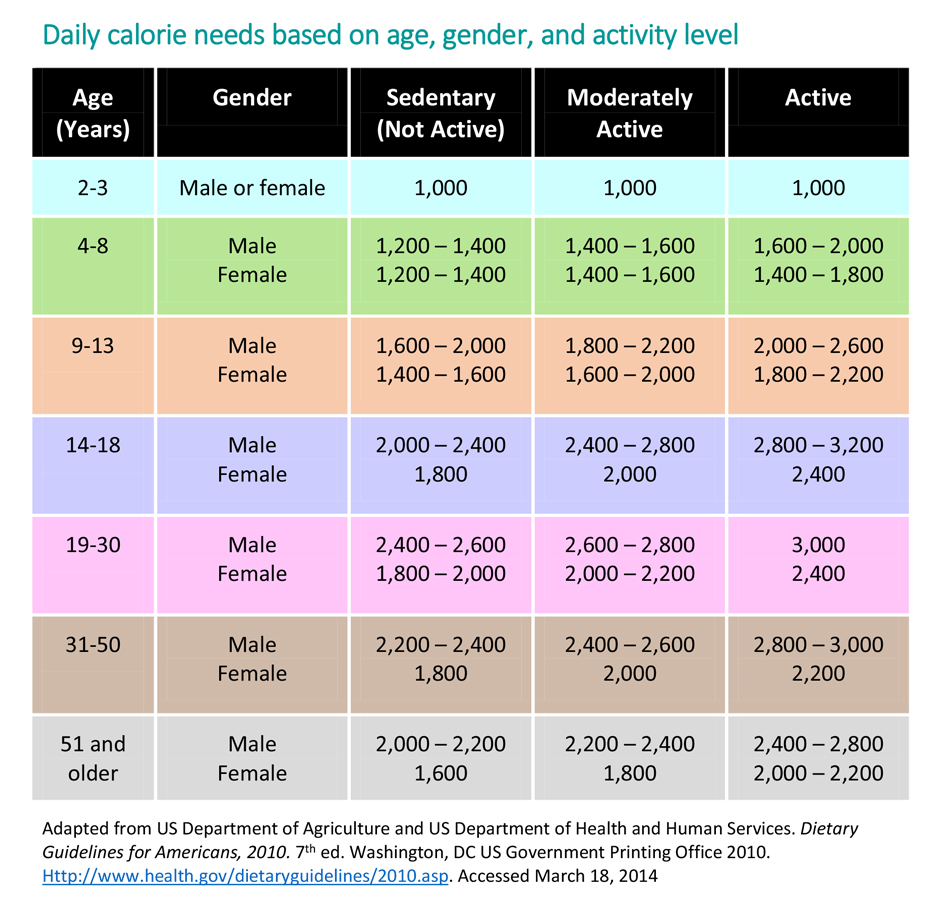
How many calories does a young athlete need?

This chart can help you determine how many calories your young athlete needs based on their age and physical activity levels. You can see the difference between a sedentary and active been might just be 400-600 calories, the equivalent to a few extra snacks throughout the day (not a free pass to eat whatever they want). 
Moderately active = walking to school
Playing a soccer game = 
vigorously active
You may feel as if your child is ALWAYS hungry - they may need to add more snacks throughout the day, or even an extra meal during the day. Again, this all depends on how active they are and if they're having a growth spurt.

What foods should young athletes focus on?

A common mistake among young athletes make is thinking they can eat TONS of protein to build muscle, but they're often not meeting their calorie needs. Young athletes need to focus on eating enough calories in addition to exercising (especially strength training) to build muscle.

An easy way to talk about good nutrition to a young athlete is to talk about food being fuel for their activities. Kids usually know that junk food doesn't make them feel good, so help them make the connection that when they eat healthy foods, they feel good!

Of course, if they have the choice to eat junk food at home, they may choose cookies, candy and chips over fresh fruit and vegetables because it's convenient (and tastes good). Make the healthy options convenient by cutting up extra fresh fruit and vegetables and making the junk food unavailable in the home.

Carbohydrates are our muscles' main fuel source, so they should make up the majority of the diet (55-75% of total calories coming from carbohydrates). Carbohydrate foods include: whole grain bread, pasta, and cereal, grains such as oatmeal and rice, vegetables and fruit. Aim to make half of all grains whole grains for added fiber and nutrients (brown rice vs. white rice, whole grain bread and rolls vs. white bread).

Protein helps with muscle repair and growth, but it doesn't need to be the biggest focus. Although athletes need more protein on their plates, they can meet their needs by including protein at each meal and snack. Good sources of protein include meat, poultry, Greek yogurt, beans, nuts, seeds, milk and eggs.

Protein
8 years old: 4 oz
9-13 years old: 5 oz
14-18 years old: 5 oz (Female)
                           6.5 oz (Male)
One-ounce equivalent: 1 oz. meat, poultry, fish, ¼ cup beans, 1 Tbsp nut butter, 1 egg, ½ oz nuts/seeds

Healthy fats should be part of your athletes diet - we're talking about nuts, seeds, olive oil and avocados. Avoid trans fats in fried foods (menu items that say "crispy" or "crunchy") and pre-packaged baked goods and snack foods.

Use avocado instead of mayo on sandwiches/wraps. 

Is breakfast really that important?

Children and adolescents need to be eating breakfast every day, especially if they're involved in sports. Skipping breakfast has been attributed to more weight gain, and eating breakfast can help kids have more energy and pay attention more during the school day. We're not talking about a bowl of sugary cereal here - even if breakfast is small and on-the-go, try to choose foods from more than one food group. Good examples include:

  • Granola bar and a banana
  • Hard boiled egg and an apple
  • Greek yogurt with granola and blueberries
  • Dry cereal and nuts
  • Apple with peanut butter and raisins
  • Egg sandwich with 2 eggs and cheese
  • Fruit smoothie

Should young athletes drink sports drinks?

The American Academy of Pediatrics reports sports drinks contain extra calories and sugar that children don't necessarily need and that for children participating in normal exercise activities, plain water should be the drink of choice. Children and adolescents should really never be drinking energy drinks, and should only drink sports drinks during prolonged, vigorous physical activity (similar to adult recommendations). 

Children are more susceptible to becoming dehydrated because they sweat less than teens and adults, so young athletes should aim to consume 4-8 oz. (several large gulps) of water every 15-20 minutes of physical activity. They may need even more if they're sweating a lot or wearing protective equipment.

What about sports supplements?

The supplement industry loves to make things exciting and make promises about enhancing performance, helping you lean out, make strength gains or give you energy with little scientific evidence to back up these claims.

Young athletes, especially high school students, can get caught up in these exciting messages pushing protein supplements to enhance muscle growth and athletic performance. In reality, there is no magic pill - all children and adolescents can meet their protein needs through real food sources and there are many real food sources of the same supplements they're spending so much money on.

You can't take supplements to replace hard work or good nutrition. 

You (or your young athlete) might enjoy:


Kids Eat Right || 6 Healthy Ways to Manage Weight for Sports || 8 Gameday Nutrition Tips

Jill Castle, MS, RDN, CDN || Eat Like a Champion
***This book was a great resource in writing this article!

Mark Bittman @ The New York Times || Getting Your Kids to Eat (Or At Least Try) Everything 

Sally Kuzemchak @ Teen Being || Are You Being Snacked to Death?


© 2015 Nutrition Facts - Designed by Mukund | ToS | Privacy Policy | Sitemap

Hide
X