Showing posts with label Snacks. Show all posts

Tuesday, October 27, 2015

How To Enjoy a Healthier Halloween

Be The First To Comment

Because Halloween is fast-approaching and the grocery store has an entire aisle dedicated to giant bags of candy, this post is going to be all about enjoying a healthier Halloween. Whether your family celebrates Halloween or not, you can't miss the candy fest in the grocery stores during this time of year. Although Halloween is only one night a year, the giant bag of candy may linger around the house for much longer.

I've gathered some healthier  Halloween tips to help your young athlete enjoy a healthier Halloween (without ruining all the fun).

1. Focus on other seasonal activities.

Kids and adults alike may associate this time of year with candy, and kids are usually thinking about candy a LOT, but there are many local seasonal events, like pumpkin picking and carving, apple picking, hay rides, corn mazes, haunted houses...the list goes on. 

2. Cook a healthier meal to enjoy before trick-or-treating/before eating candy.

We all know how good a candy bar tastes when you allow yourself to get super hungry...but it's usually pretty hard to stop at just one piece because candy may have a lot of calories, but doesn't fill us up and doesn't contain the nutrients our bodies really crave at meal time. What about something seasonal, like pumpkin chili? 

Choose a meal with plenty of filling vegetables, whole grains and a little bit of protein and encourage kids to drink a glass of water with dinner to hold them over during the night and to prevent them from choosing handfuls of sweet treats as a dinner substitute. 

3. Choose your candy wisely.

Even those bite-sized treats can pack a huge calorie punch, especially if you're grabbing for several pieces a day, and it's those extra 100-200 calories each day in addition to your normal calories that result in weight gain over time. One peanut butter cup is ~100 calories and those mini chocolate bars are usually around 40-50 calories each. Chocolate candies have more fat and usually more calories than fruity candies.

If you're passing out candy at your house, make sure you're choosing the miniature options or some of the non-candy options listed below.

4. Set some limits.

As far as HOW MUCH candy to eat, in an ideal world, kids, teens and adults would eat a piece or two and forget about it. This isn't always the case...but over-restricting the candy jar can often times make the candy more desirable and kids can develop tendencies to obsess over/sneak/hoard the candy.

Don't give the candy so much attention and eating the candy won't become such a big deal.

A good tip for kids (and adults!) is to choose a couple favorite pieces of candy after trick-or-treating (2,3,4,5...whatever number you both set) to enjoy, and make sure to put the candy jar away and help kids practice moderation by only choosing 1 or 2 pieces as they please a day. It goes along with the "out of sight, out of mind." Put out a bowl of fruit, cut up some vegetables - have some healthy snacking options available that are more easily accessible than the candy. 

5. Pass out non-candy options.

I know this is a total "dietitian" tip, but hear me out! There was a research study that showed that kids between 3-14 years old were just as likely to choose non-candy (toy) options just as much as candy options on Halloween. 

Because almost ALL houses will be handing out candy on Halloween, passing out non-candy options will be something new for kids.

Non-food ideas ideas from The Teal Pumpkin Project.

This is a pretty cool project  - because a lot of Halloween candies contain allergens, this project promotes passing out non-food options for trick-or-treating to ensure kids with allergies can still enjoy trick-or-treating!


Some options include: glow sticks, stickers, temporary tattoos, small toys like slinkies, bouncy balls, art supplies (crayons, paintbrushes, markers), noisemakers, bubbles, fancy erasers...the list goes on.

If you want to hand out some non-candy healthier food options, there's a lot of good individually-wrapped options in the stores:

Cereal bars, snack mix, single-serve cereal boxes, microwave popcorn or little bags of popcorn, snack-size bags of Goldfish or animal crackers, pretzels, boxes of raisins/dried fruit, sugar-free gum...

You might also like:


Wednesday, October 21, 2015

The Quick Guide to Fueling Young Athletes

Be The First To Comment

Consistent good nutrition can support a child or teen's growth, development and immune system, and can also help them be a stronger athlete and a more attentive student. If this is the case, why is the sports environment filled with fast food? Why are athletes choosing supplements to help them perform better when they're choosing junk food for meals and snacks?

We've all been to a youth sports game or tournament where they're serving hot dogs, candy and soda and the half-time snack for the young athletes is a bottle of sports drink and some sort of fast food or prepackaged snack. A busy sports schedule can result in reliance on fast food or pre-packaged snacks and meals, which can be convenient, but don't support your athlete in feeling good and performing well.


If I were to make it really simple, I would tell kids to do these things to have the best "athlete's diet":

1. Don't skip meals. This means eating breakfast, lunch, dinner and snacks, every day.
2. Drink water throughout the day - carry around a water bottle and fill it up throughout the day. Drink more the day before a competition/game/race.
3. Eat snacks! Eating a snack with protein after exercise can help promote muscle repair and growth.

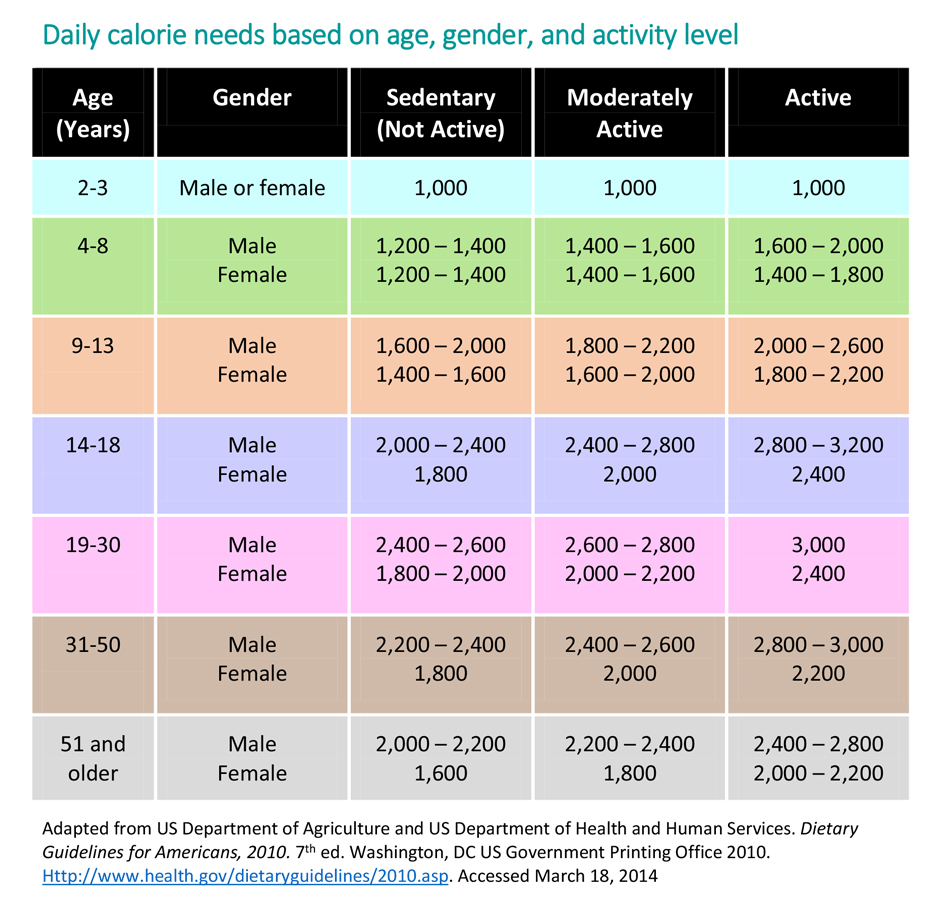
How many calories does a young athlete need?

This chart can help you determine how many calories your young athlete needs based on their age and physical activity levels. You can see the difference between a sedentary and active been might just be 400-600 calories, the equivalent to a few extra snacks throughout the day (not a free pass to eat whatever they want). 
Moderately active = walking to school
Playing a soccer game = 
vigorously active
You may feel as if your child is ALWAYS hungry - they may need to add more snacks throughout the day, or even an extra meal during the day. Again, this all depends on how active they are and if they're having a growth spurt.

What foods should young athletes focus on?

A common mistake among young athletes make is thinking they can eat TONS of protein to build muscle, but they're often not meeting their calorie needs. Young athletes need to focus on eating enough calories in addition to exercising (especially strength training) to build muscle.

An easy way to talk about good nutrition to a young athlete is to talk about food being fuel for their activities. Kids usually know that junk food doesn't make them feel good, so help them make the connection that when they eat healthy foods, they feel good!

Of course, if they have the choice to eat junk food at home, they may choose cookies, candy and chips over fresh fruit and vegetables because it's convenient (and tastes good). Make the healthy options convenient by cutting up extra fresh fruit and vegetables and making the junk food unavailable in the home.

Carbohydrates are our muscles' main fuel source, so they should make up the majority of the diet (55-75% of total calories coming from carbohydrates). Carbohydrate foods include: whole grain bread, pasta, and cereal, grains such as oatmeal and rice, vegetables and fruit. Aim to make half of all grains whole grains for added fiber and nutrients (brown rice vs. white rice, whole grain bread and rolls vs. white bread).

Protein helps with muscle repair and growth, but it doesn't need to be the biggest focus. Although athletes need more protein on their plates, they can meet their needs by including protein at each meal and snack. Good sources of protein include meat, poultry, Greek yogurt, beans, nuts, seeds, milk and eggs.

Protein
8 years old: 4 oz
9-13 years old: 5 oz
14-18 years old: 5 oz (Female)
                           6.5 oz (Male)
One-ounce equivalent: 1 oz. meat, poultry, fish, ¼ cup beans, 1 Tbsp nut butter, 1 egg, ½ oz nuts/seeds

Healthy fats should be part of your athletes diet - we're talking about nuts, seeds, olive oil and avocados. Avoid trans fats in fried foods (menu items that say "crispy" or "crunchy") and pre-packaged baked goods and snack foods.

Use avocado instead of mayo on sandwiches/wraps. 

Is breakfast really that important?

Children and adolescents need to be eating breakfast every day, especially if they're involved in sports. Skipping breakfast has been attributed to more weight gain, and eating breakfast can help kids have more energy and pay attention more during the school day. We're not talking about a bowl of sugary cereal here - even if breakfast is small and on-the-go, try to choose foods from more than one food group. Good examples include:

  • Granola bar and a banana
  • Hard boiled egg and an apple
  • Greek yogurt with granola and blueberries
  • Dry cereal and nuts
  • Apple with peanut butter and raisins
  • Egg sandwich with 2 eggs and cheese
  • Fruit smoothie

Should young athletes drink sports drinks?

The American Academy of Pediatrics reports sports drinks contain extra calories and sugar that children don't necessarily need and that for children participating in normal exercise activities, plain water should be the drink of choice. Children and adolescents should really never be drinking energy drinks, and should only drink sports drinks during prolonged, vigorous physical activity (similar to adult recommendations). 

Children are more susceptible to becoming dehydrated because they sweat less than teens and adults, so young athletes should aim to consume 4-8 oz. (several large gulps) of water every 15-20 minutes of physical activity. They may need even more if they're sweating a lot or wearing protective equipment.

What about sports supplements?

The supplement industry loves to make things exciting and make promises about enhancing performance, helping you lean out, make strength gains or give you energy with little scientific evidence to back up these claims.

Young athletes, especially high school students, can get caught up in these exciting messages pushing protein supplements to enhance muscle growth and athletic performance. In reality, there is no magic pill - all children and adolescents can meet their protein needs through real food sources and there are many real food sources of the same supplements they're spending so much money on.

You can't take supplements to replace hard work or good nutrition. 

You (or your young athlete) might enjoy:


Kids Eat Right || 6 Healthy Ways to Manage Weight for Sports || 8 Gameday Nutrition Tips

Jill Castle, MS, RDN, CDN || Eat Like a Champion
***This book was a great resource in writing this article!

Mark Bittman @ The New York Times || Getting Your Kids to Eat (Or At Least Try) Everything 

Sally Kuzemchak @ Teen Being || Are You Being Snacked to Death?


Friday, July 25, 2014

Celebrate Blueberries This Month

Be The First To Comment


I would like to dedicate this blog to one of my favorite fruits, blueberries. It really pleases me that it gets a whole celebratory month. I hope you have partaken in eating everything blueberry, if you have not, let me tell you why you should:
Besides being very tasty, blueberries are low in calories, have no fat, are high in fiber and are full of antioxidants (antioxidants help us fight free radicals that are formed in the body and could damage different cells as well as DNA). Blueberries contain polyphenols called anthocyanins which give the fruit its blue color as well as its antioxidant capacity and anti-inflammatory properties. They also contain a good amount of vitamin C and manganese. Vitamin C helps with keeping a healthy immune system and manganese helps with bone development and converting macronutrients (fats, carbohydrates and protein) to energy. Blueberries may also help with reducing risk for cardiovascular disease, cancer and diabetes.

In North America, blueberry season is from April to late September. Season peaks in July (hence July is blueberry month). Thankfully, our neighbors in South America have opposite seasons and therefore, we can get this amazing fruit year round. Moreover, we can get frozen blueberries year round. If you ever wanted to go pick blueberries yourself, make sure you check this link of where.
For more information and plenty of recipes you can check the Blueberry Council webpage.

Here is recipe for a high protein blueberry smoothie (makes 2 servings): 

1 cup 0% Greek yogurt
0.5 cup ice
0.5 cup 100% pineapple juice
1 cup blueberries fresh or forzen
1 Tbsp of chia seeds
Blend all ingredients together and enjoy

Nutrition facts per serving: 175 kcal, 14 grams protein, 26 grams carbohydrates, 4.4 grams fiber, 2.5 grams fat, 189 mg calcium and 13 mg vitamin C.

Enjoy this month to it's fullest and don't forget to add some blueberries!

Wednesday, August 21, 2013

Snacks to Pack While Traveling

Be The First To Comment
These foods can be packed in your bag and carried right on the bus with you. They are quick and easy snack ideas.
  • Whole grain crackers
  • Pretzels
  • Fresh fruit (apples, oranges, etc)
  • Bagel
  • Granola Bars
  • Granola
  • Nuts (almonds, cashews, etc)
  • Baked tortilla chips
  • Whole grain Fig Newtons
  • Banana chips 
If you have a cooler on board these foods can also provide the healthy snack you are craving.
  • Cheese stick
  • Yogurt
  • Baby carrots
  • Celery sticks (with peanut butter, if desired)
  • Sliced fresh fruit 
Guest Blogger: Duncan Anderson, USD Dietetic Intern

Wednesday, April 10, 2013

Sport Smoothies

Be The First To Comment
I received a media request yesterday to talk about smoothies. That got me thinking about the infinite ways to make smoothies and how popular they are with athletes. Important points to consider while making your smoothie:
  • Overall calorie content. It is easy to keep putting things in the blender, but if you take time to add up the calories, are you still keeping things in check? Some of you may have the goal to gain weight, but not everyone. Packing 1,000 calories into a smoothie will do just that! 
  • Basic ingredients to include: 1 cup milk or yogurt, 1 cup mixed fruit and vegetables (don't be scared to make green smoothies!), and ice. My tip is to blend ingredients together BEFORE adding the ice. After that, then add the ice to blend into a smoothie. Adding the ice too soon may cause it to melt more quickly. 
  • Other ingredients that can be good to add to a smoothie: protein powder, chia or flax seeds, and oatmeal.
What are your favorite smoothie combinations?


Wednesday, February 13, 2013

Greek Yogurt

Be The First To Comment
What’s all the hype about Greek yogurt? Do you know the difference between this and the yogurt you’re used to seeing in the supermarket?


Greek yogurt is made by straining off the whey, which gives it a thick, rich and creamy consistency.  It’s very high in protein and the unsweetened version is lower in sugar and carbohydrates than traditional unsweetened yogurt. Most national brands are non-fat or low-fat, but make sure you check the label. 

While the healthiest way to enjoy yogurt is to buy it unsweetened and add fresh fruit, I realize that this is not always preferable or convenient. Many people are not used to eating plain yogurt since their taste buds have become accustomed to the sweetened version. This would also hold true with Greek yogurt, as the plain version has a slightly sour taste. Either way, Greek yogurt contains approximately twice the amount of protein and half the amount of carbohydrates than a similar amount of traditional yogurt. The benefits don’t stop there.

Aside from eating Greek yogurt as a high protein breakfast or snack, you may want to try using it as a condiment or in recipes.
  • Substitute unsweetened/plain Greek yogurt for sour cream on baked potatoes or taco
  • Use it to replace some of the eggs or oil when making baked goods
  • Add Greek yogurt instead of mayonnaise to tuna salad, egg salad or pasta salad for a tangy kick
  • Start with a base of Greek yogurt and make a savory veggie dip by adding herbs and spices

Still skeptical?  Check out the nutrition label from Dannon’s version of Greek and traditional yogurt.  Yes, the calories are similar, but the added protein will keep you feeling full longer. What’s not to love about that?

Greek (5.3 ounces, nonfat, plain)
  • Calories: 80
  • Total fat: 0 grams
  • Cholesterol: 10 milligrams
  • Sodium: 50 milligrams
  • Sugar: 6 grams
  • Protein: 15 grams
  • Calcium: 15 percent on a 2,000-calorie diet
Regular (6 ounces, nonfat, plain)
  • Calories: 80
  • Total fat: 0 grams
  • Cholesterol 5 milligrams
  • Sodium: 120 milligrams
  • Sugar: 12 grams
  • Protein: 9 grams
  • Calcium: 30 percent on a 2,000-calorie diet.
Guest Blogger: Laura White, USD Dietetic Intern

Friday, November 2, 2012

Five Easy Snack Ideas for Athletes

Be The First To Comment

1. Almonds—One ounce provides about protein, heart healthy fats and is high in Vitamin E. 
2. Greek Yogurt with Fruit—Greek yogurt is higher in protein than other yogurts and when paired with fruit is a very satisfying way to replenish after a workout. 
3. Peanut Butter Sandwich—This provides carbs, heart healthy fats, and protein for after that hard workout. 
4. Low Fat Chocolate Milk—Provides high quality protein and carbohydrate. This is the newest craze out there and the science behind it really works. 
5. Fruit and Cheese—This combines the natural sugars and fiber of fresh fruit with protein and calcium for an all around good snack.

Guest Blogger: Alyssa Gehle, USD Dietetic Intern

Monday, October 15, 2012

Living on campus? Save money on snacks!

Be The First To Comment

  • Buy items in bulk. They last longer are usually cheaper per serving. An example would be a box of triscuits or crackers rather than the buying the individual packages. 
  • Keep an eye out for any items that you commonly use that go on sale at the grocery store. Remember - don’t buy a food item you will never use just because it is on sale. 
  • If you have a microwave in your room: frozen (steam in microwave) vegetables is a healthy snack idea and are cheaper and easier to care for then fresh. Place them in the freezer compartment of your mini-fridge for storage. 
  • Canned foods, such as tuna or canned fruit, have a long shelf life and are generally cheap. Place the tuna on crackers for a good snack or meal. Choose canned fruit that has been canned in water or its own juice. 
  • Fresh fruit/vegetables are always a good snack idea and when on sale can be relatively inexpensive. One must eat it, however, before it spoils. 
  • If buying lunch meats make sure you choose the leaner meat selections, such as chicken or turkey.
Guest Blogger: Duncan Anderson, USD Dietetic Intern
 

© 2015 Nutrition Facts - Designed by Mukund | ToS | Privacy Policy | Sitemap

Hide
X